7. Maintenance Tips
Proper maintenance is crucial for the longevity of ACSR conductors:
- Regular Inspections
- Cleaning Corrosion
- Replacing Damaged Sections
ACSR (Aluminum Conductor Steel Reinforced) conductors play an essential role in electricity transmission systems. Understanding how acsr conductors work can help users make informed decisions regarding their electrical infrastructure. These conductors are designed to meet various requirements, offering a balance between conductivity and strength. In this article, we will explore the working principles, benefits, and applications of ACSR conductors, addressing key user pain points.
ACSR conductors consist primarily of aluminum wires and steel core strands, making them particularly resilient to harsh environmental conditions. They are widely used in overhead power lines due to their efficiency and safety.
ACSR conductors function effectively due to the following key aspects:
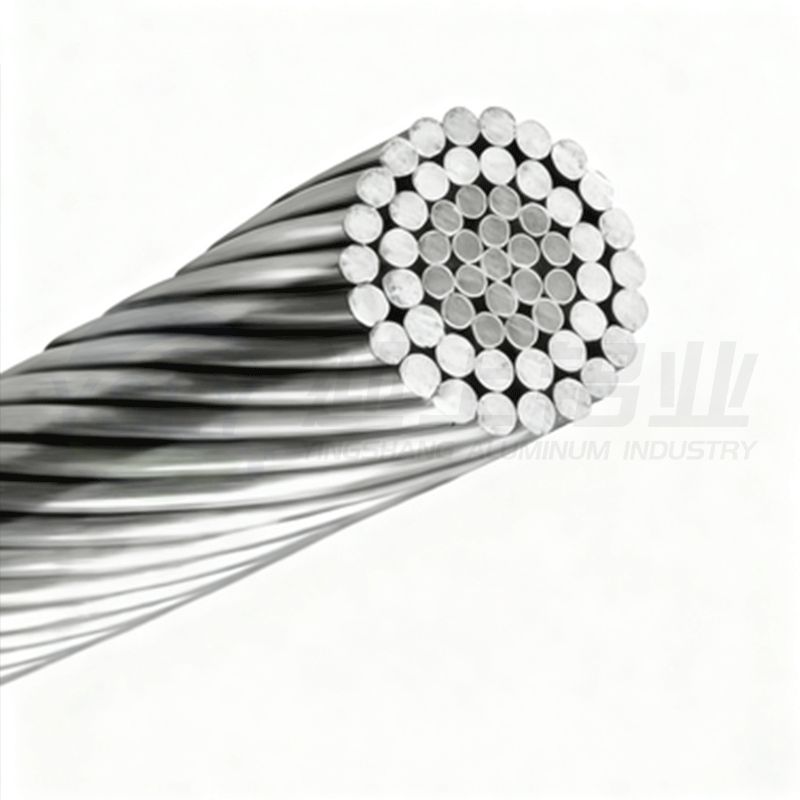
The ACSR conductor comprises an aluminum outer layer surrounding a steel core, which enhances its tensile strength. The aluminum wires are usually annular, which increases resistance to corrosion and facilitates better performance.
Aluminum has excellent conductivity, making it ideal for ACSR applications. Its low density and high tensile strength ensure optimal performance in power transmission.
The steel core provides mechanical support and helps prevent sagging, which is crucial for maintaining effective conductance over long distances.
Several key advantages make ACSR conductors a popular choice for electrical applications:
ACSR conductors find use in various applications:
Below is a comparative table showing ACSR vs. other conductors:
| Type | Conductivity (S/m) | Tensile Strength (MPa) | Weight (kg/km) |
|---|---|---|---|
| ACSR | 35.2 | 240 | 1000 |
| Aluminum | 37 | 110 | 800 |
| Copper | 58.6 | 220 | 1200 |
The installation of ACSR conductors requires specific steps to ensure safety and efficiency:
A flowchart below summarizes this process:

Proper maintenance is crucial for the longevity of ACSR conductors:
Understanding how ACSR conductors work is vital for anyone involved in electrical infrastructure. Their high conductivity, mechanical strength, and versatility make them an excellent choice for various applications. Effective installation and maintenance can help maximize their benefits. For those interested in ACSR solutions, consider exploring products from 2. What is ACSR?1.