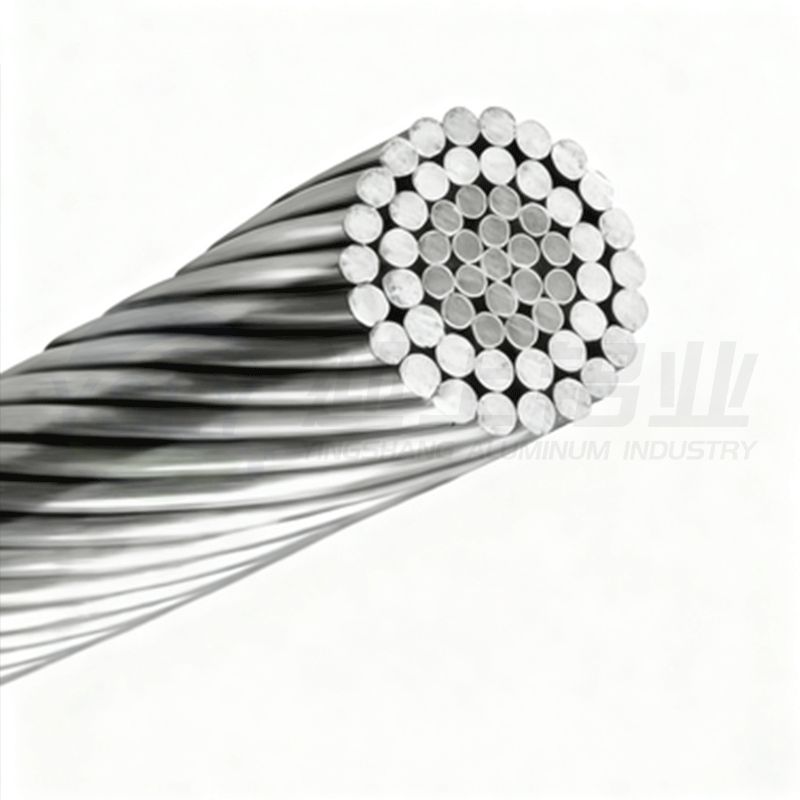
Aluminium alloy conductors have gained significant popularity in electrical and telecommunications applications. Their unique composition delivers enhanced performance and reliability. Unlike traditional copper conductors, these aluminium alternatives are lighter, more resistant to environmental factors, and often more cost-effective. This article explores the myriad benefits of aluminium alloy conductors, addressing user pain points and offering insights into their applications, providing a well-rounded understanding of their advantages.
The mechanical properties of aluminium alloy conductors illustrate their resilience in various conditions. These include:
High Tensile Strength: Aluminium alloy conductors exhibit a tensile strength of up to 250 MPa, providing robust performance under tension.
Aluminium alloy conductors are notably lighter than their copper counterparts, creating numerous benefits:
Weight Comparison: Aluminium alloy conductors can be up to 70% lighter than copper conductors, significantly reducing shipping and installation burdens.
While copper is traditionally known for its electrical conductivity, aluminium alloy conductors are surprisingly effective:
Conductivity Data: Aluminium alloy conductors maintain an excellent balance of weight and electrical conductivity, making them preferable in many applications.
One of the standout features of aluminium alloys is their natural corrosion resistance:
Longevity Insight: Aluminium alloy conductors typically demonstrate a service life exceeding 30 years, showcasing their reliability in diverse applications.
The adoption of aluminium alloy conductors results in considerable cost savings:
Cost Analysis: Users can save around 30% on initial investment costs when opting for aluminium alloy conductors over copper alternatives.
| Property | Aluminium Alloy Conductors | Copper Conductors |
|---|---|---|
| Tensile Strength | 250 MPa | 210 MPa |
| Weight | 70% lighter | - |
| Electrical Conductivity | 61% IACS | 100% IACS |
| Corrosion Resistance | Excellent | Good |
| Cost | ~30% lower | - |
In conclusion, aluminium alloy conductors present numerous benefits, including superior mechanical properties, significant weight reductions, excellent electrical conductivity, impressive corrosion resistance, and enhanced cost-effectiveness. For industries looking to optimize performance while minimizing costs, these conductors offer a compelling alternative. Adopting aluminium alloy conductors not only meets the demanding needs of today's projects but also guarantees sustainability and long-term reliability. To explore our range of aluminium alloy conductors, please visit our company brand, Yingshang.