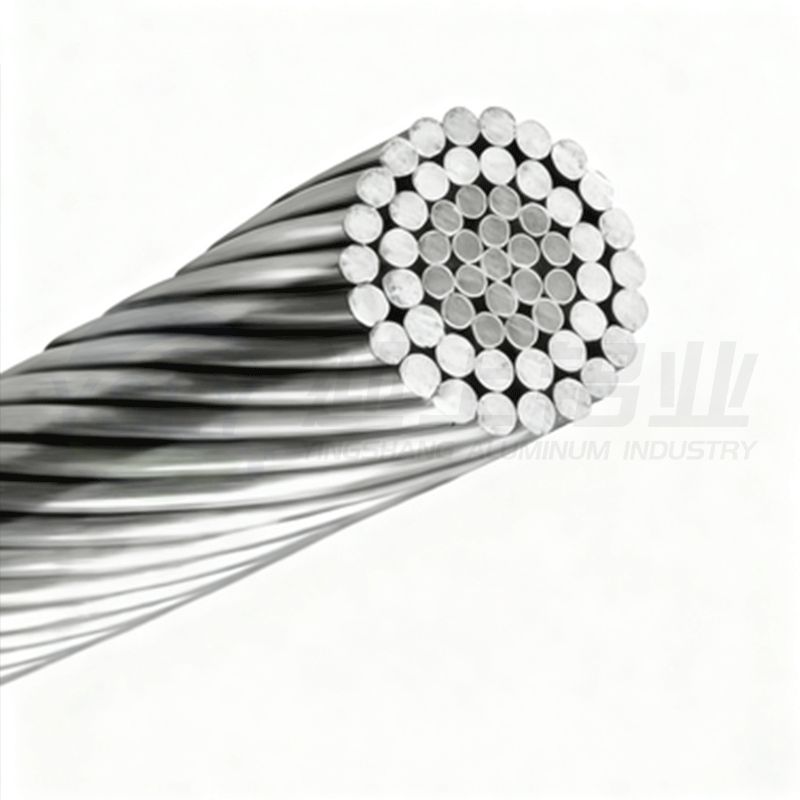
The search for a reliable bare conductor supplier for transmission lines can be challenging. Many suppliers offer different types of conductors, making it difficult to choose the right one. Bare conductors play a crucial role in electrical systems, transporting electricity efficiently over long distances. Traditionally, these conductors are made from aluminum or copper. In recent years, the demand for high-quality, durable, and lightweight conductors has increased significantly. Understanding the selection criteria will help you make a better choice when looking for a supplier.

A bare conductor supplier for transmission lines provides the essential conductors needed for efficient power transmission. These suppliers offer various types of conductors, such as aluminum and copper, tailored to meet the needs of electricity transmission. Selecting the right supplier is critical to ensure the quality and durability of the conductors.
High-quality conductors ensure long-lasting performance. Look for suppliers that provide products that meet industry standards. This will save you from frequent replacements and reduce maintenance costs.
A good supplier should offer a wide range of bare conductors. Different specifications might be needed for various types of projects. Check if the supplier can cater to your specific needs.
Reliable customer support can make a huge difference. Choose suppliers that provide assistance from the selection process to after-sales service. This ensures that you have support when facing any issues.
Pricing plays a vital role in your decision. Compare the prices from different suppliers while considering the quality of conductors. Low prices might indicate lower quality.
Timely delivery is crucial in construction and electrical projects. It is essential to work with suppliers that can meet your deadlines without compromising quality.
Check online reviews to gauge a supplier's reputation. Positive feedback from previous customers is a good indicator of reliability and product quality.
Aluminum conductors are lightweight and resistant to corrosion. They are often used in overhead transmission lines. Their efficiency and cost-effectiveness make them a popular choice.
Copper conductors offer superior conductivity compared to aluminum. They are heavier and more expensive but are preferred in applications requiring high performance.
Aluminum Conductor Steel Reinforced (ACSR) conductors combine aluminum's lightweight properties with steel's strength. They are ideal for long-distance transmission and support high tensile loads.
| Type | Material | Weight (kg/m) | Conductivity (S/m) | Uses |
|---|---|---|---|---|
| Aluminum | Aluminum | 0.3 | 35.0 | Overhead lines |
| Copper | Copper | 0.7 | 59.6 | High-performance applications |
| ACSR | Aluminum/Steel | 0.5 | 45.0 | Long-distance transmission |
Finding the right bare conductor supplier for transmission lines is essential for the efficiency of electrical systems. This can greatly impact the performance and longevity of your projects. By considering the factors mentioned in this article, you can make an informed decision. Quality, product range, customer support, and timely delivery should all be top priorities in your selection process.
Bare conductors are primarily used in electrical transmission lines to transport electricity from power plants to transformers and consumers.
When choosing a supplier, consider their product quality, range, customer support, pricing, delivery times, and customer reviews.
ACSR conductors are popular because they combine lightweight aluminum with strong steel, making them suitable for long-distance power transmission.
Factors like material type, conductor size, and environmental conditions can affect conductor performance.
Yes, aluminum conductors are commonly used in high-voltage applications due to their light weight and cost-effectiveness.