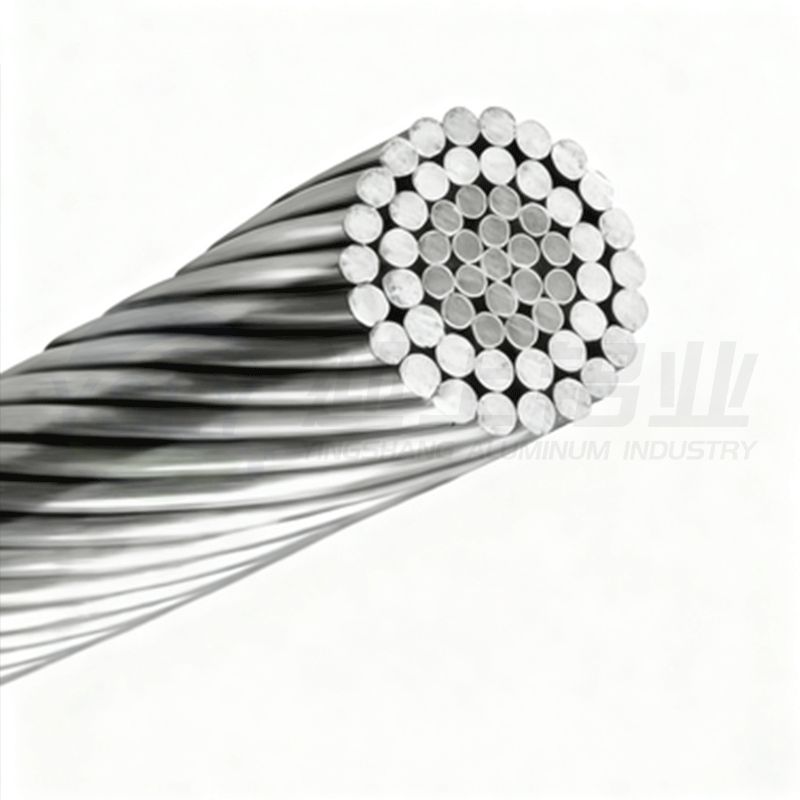
Choosing the right overhead line conductor types is crucial for effective electrical transmission. The wrong choice can lead to inefficiencies and increased costs. Many people struggle to understand the differences between conductor types, resulting in poor decisions. This article explains the various types of overhead conductors in a clear and simple way. It will cover aluminum conductors, copper conductors, and more to meet your needs and understanding.

There are several types of overhead line conductors, each with unique characteristics and benefits. Common types include aluminum conductors, copper conductors, and ACSR (Aluminum Conductor Steel Reinforced). Understanding the differences can help you make informed choices for specific electrical needs.
Choosing the correct overhead line conductor types can significantly impact your electrical system's efficiency and reliability. Remember the main options: aluminum conductors, copper conductors, and their reinforced variations. Each conductor type has its own benefits that cater to different needs and circumstances.
1. What is the best conductor type for long distances?
Aluminum conductors are the most suitable for long-distance transmission due to their lightweight and corrosion resistance.
2. Are copper conductors worth the extra cost?
Yes, copper conductors are worth the cost in areas where high conductivity and reliability are essential.
3. Can ACSR be used in all weather conditions?
Yes, ACSR is designed to withstand severe weather conditions due to its steel reinforcement.
4. What is the main disadvantage of AAC conductors?
The main disadvantage is that AAC conductors are not as strong and durable as ACSR under mechanical stress.
5. How do I choose the right conductor for my project?
Consider the distance, environmental conditions, and budget to select the correct overhead line conductor type.