The difference between AAAC and ACSR conductor is significant for electrical power lines. When choosing the right conductor for transmission lines, one must consider various factors. AAAC stands for All Aluminum Alloy Conductor. ACSR, or Aluminum Conductor Steel Reinforced, combines aluminum and a steel core. Understanding these conductors helps in making informed decisions for energy transportation. Both of these types help to ensure efficient power delivery, but their uses can vary based on specific needs.
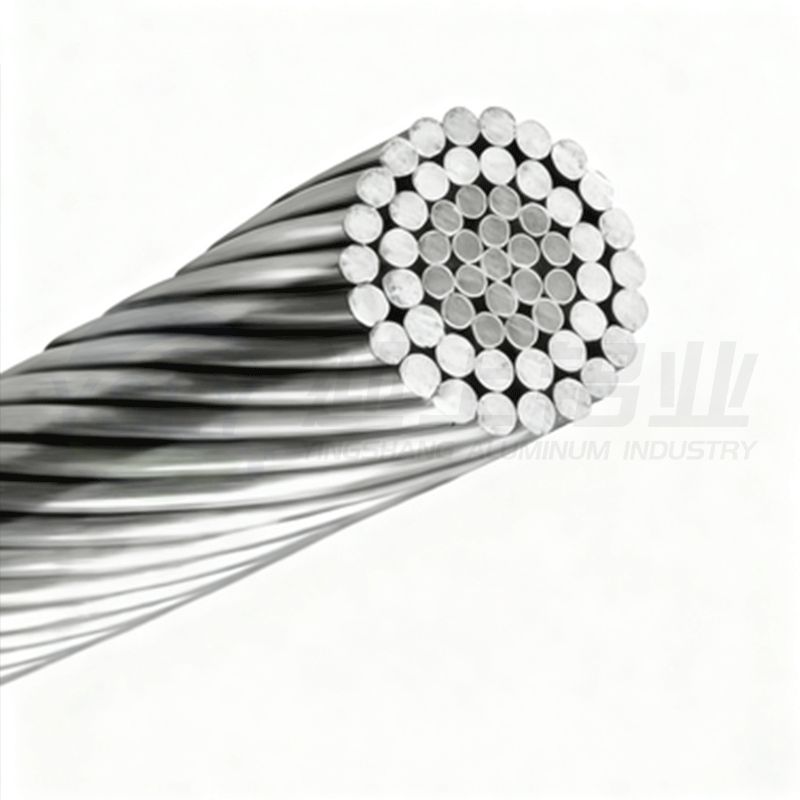
The main difference between AAAC and ACSR conductors lies in their material composition and physical properties. AAAC is lighter and more resistant to corrosion, while ACSR offers increased tensile strength due to its steel core. Selecting the right conductor depends on specific project requirements, including weight, conductivity, and environmental factors.
AAAC is made entirely of aluminum alloy, providing excellent conductivity. ACSR consists of multiple aluminum wires around a steel core, offering higher strength.
AAAC conductors are generally lighter compared to ACSR due to their all-aluminum structure. This can lead to easier installation and support requirements.
In terms of electrical conductivity, AAAC typically has higher conductivity than ACSR. This means it can transmit electricity more efficiently with less energy loss.
Although AAAC is more resistant to corrosion, ACSR provides superior tensile strength. This makes ACSR ideal for applications requiring high strength, such as long spans or extreme environmental conditions.
When comparing prices, ACSR can often be more cost-effective for larger projects because of its strength-to-weight ratio. However, AAAC can be beneficial in areas where corrosion is a significant concern, reducing the need for maintenance.
In summary, the difference between AAAC and ACSR conductors comes down to material composition, weight, conductivity, strength, and costs. Understanding these differences is essential for making the right choice in electrical projects. Both conductors have unique properties that serve different needs effectively.
Q1: Which conductor is better for long-distance transmission?
A: ACSR is often preferred for long distances due to its strength and ability to handle greater spans without sagging.
Q2: Are AAAC conductors more prone to corrosion?
A: No, AAAC conducts are designed to resist corrosion better than standard aluminum conductors.
Q3: Can I use AAAC in high-temperature environments?
A: Yes, AAAC also performs well in high-temperature environments but be sure to consider local weather conditions.
Q4: How do I choose between AAAC and ACSR?
A: Consider factors like the length of the span, environmental conditions, and cost when deciding.
Q5: Is the installation of AAAC easier than ACSR?
A: Yes, AAAC is lighter, thus often making installation easier, especially in challenging locations.
Q6: Do AAAC and ACSR conductors have similar lifespans?
A: Generally, both offer long lifespans, but ACSR may require more maintenance due to its steel components.


