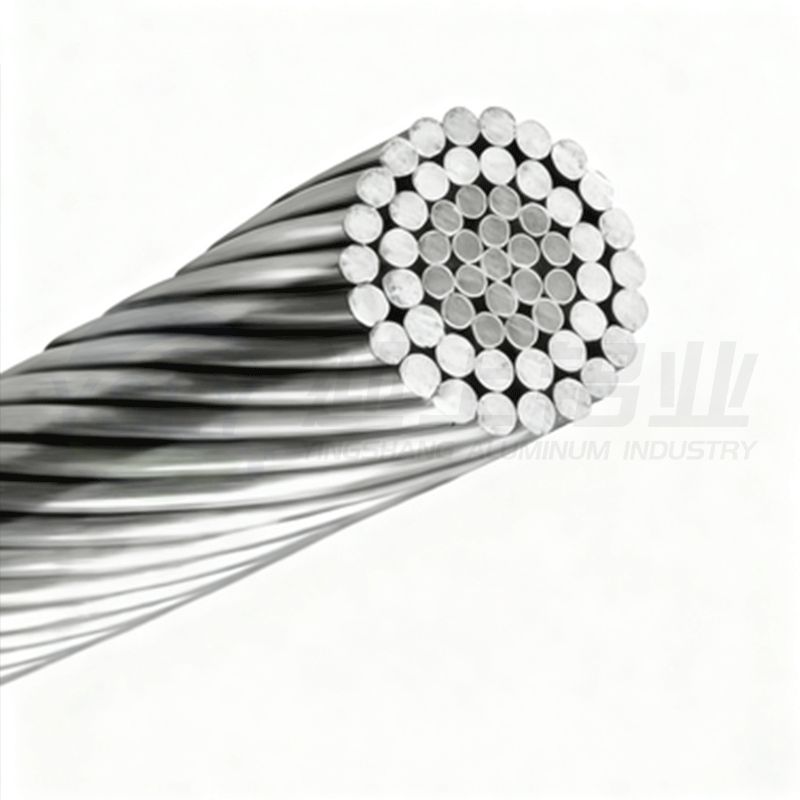
In the world of electrical transmission, the advantages of AAAC conductor cannot be overlooked. These conductors, made from all-aluminum alloy, are increasingly preferred over traditional copper and aluminum options. With features like lightweight construction, high resistance to corrosion, and excellent conductivity, AAAC conductors are ideal for overhead transmission lines. As electricity demands rise, understanding the benefits of all-aluminum alloy conductors becomes crucial for utility companies and engineers.

Many are now considering copper vs aluminum vs AAAC conductors when designing systems. These considerations lead to important decisions that impact performance and costs. What makes AAAC conductors stand out? Let's explore their many advantages within the realm of modern electrical systems.
**The advantages of AAAC conductor include superior strength, lightweight design, lower thermal resistance, and resistance to corrosion, making them an optimal choice for electrical transmission.**
AAAC conductors exhibit great resistance to environmental factors. They withstand corrosion due to their aluminum alloy composition. This longevity makes them particularly suitable for coastal and industrial areas where corrosion is a concern. The durability leads to lower maintenance costs over time, adding to their appeal.
These conductors are lighter than traditional copper or even standard aluminum conductors. This lightweight characteristic allows for easier handling during installation and can reduce the load on supporting structures. This advantage can lead to lower material costs for poles and towers.
When comparing AAAC conductors to copper, AAAC is more cost-effective due to lower material costs. The initial investment can often be recovered over time through savings on energy and maintenance. Many companies find that selecting AAAC offers a good return on their investment.
While AAAC conductors are primarily made of aluminum, they have excellent conductivity. This conductivity ensures efficient energy transfer over long distances. Electric utilities find that AAAC conductors help minimize power loss, ultimately improving performance.
AAAC conductors are designed to operate at high temperatures without significant resistance. This feature allows for increased current-carrying capacity, enhancing overall system efficiency. This aspect is essential for areas with high electricity demands where heat generation might be a concern.
In summary, the advantages of AAAC conductor make it a compelling choice for modern electrical transmission systems. From durability and lightweight design to cost efficiency and high conductivity, AAAC conductors present significant benefits compared to traditional materials. As the electrical landscape evolves, these advantages will drive more industries towards adopting AAAC conductors.
1. What is an AAAC conductor?
AAAC stands for All-Aluminum Alloy Conductor, which is used for overhead power transmission.
2. How does AAAC compare to ACSR conductors?
While ACSR (Aluminum Conductor Steel Reinforced) includes steel strands for added strength, AAAC is entirely made of aluminum alloy, offering corrosion resistance and lighter weight.
3. Are AAAC conductors more expensive than traditional aluminum conductors?
AAAC conductors can have a higher upfront cost, but they often provide better performance and lower maintenance costs.
4. Can AAAC conductors be used in harsh environments?
Yes, AAAC conductors are designed to withstand harsh environmental conditions, including corrosive atmospheres.
5. What is the typical lifespan of an AAAC conductor?
AAAC conductors can last up to 40 years or more, depending on the environmental conditions and maintenance practices.